INTERIOR DESIGN


L’interior architecture is a demanding, precise and visionary profession. Nothing can be improvised. To design a place that is appropriate, coherent and sustainable, you need to mobilize four areas of expertise: architectural design, furniture, decoration, project management or site supervision. In fact, we could add a fifth: layout, which often links the design of spaces to the choice of furniture. All these skills are inseparable in our approach, but can also be activated à la carte, according to the needs of the project.
Even when our intervention concerns a targeted mission or a one-off service, this multidisciplinary vision makes all the difference.
Understanding the whole means better control of each part! By anticipating interactions: a choice of furniture that guides circulation, a decoration that interacts with the architecture, a technical constraint spotted before it blocks the project… This all-encompassing view enables us to better anticipate, better articulate and better adjust – so that each decision takes its place in a clear, efficient and controlled logic. It’s this global approach that ensures that the project runs smoothly, on time and on budget. It’s this cross-functional rigor that enables the site to function fully, express itself accurately and make sense, right from the first glance.
Interior design is a demanding, precise and visionary profession. Nothing can be improvised. To design a place that is appropriate, coherent and sustainable, you need to mobilize four areas of expertise: architectural design, furniture, decoration, project management or site supervision. In fact, we could add a fifth: layout, which often links the design of spaces to the choice of furniture. All these skills are inseparable in our approach, but can also be activated à la carte, according to the needs of the project.
Even when our intervention concerns a targeted mission or a one-off service, this multidisciplinary vision makes all the difference.
Understanding the whole means better control of each part! By anticipating interactions: a choice of furniture that guides circulation, a decoration that interacts with the architecture, a technical constraint spotted before it blocks the project… This all-encompassing view enables us to better anticipate, better articulate and better adjust – so that each decision takes its place in a clear, efficient and controlled logic. It’s this global approach that ensures that the project runs smoothly, on time and on budget. It’s this cross-functional rigor that enables the site to function fully, express itself accurately and make sense, right from the first glance.
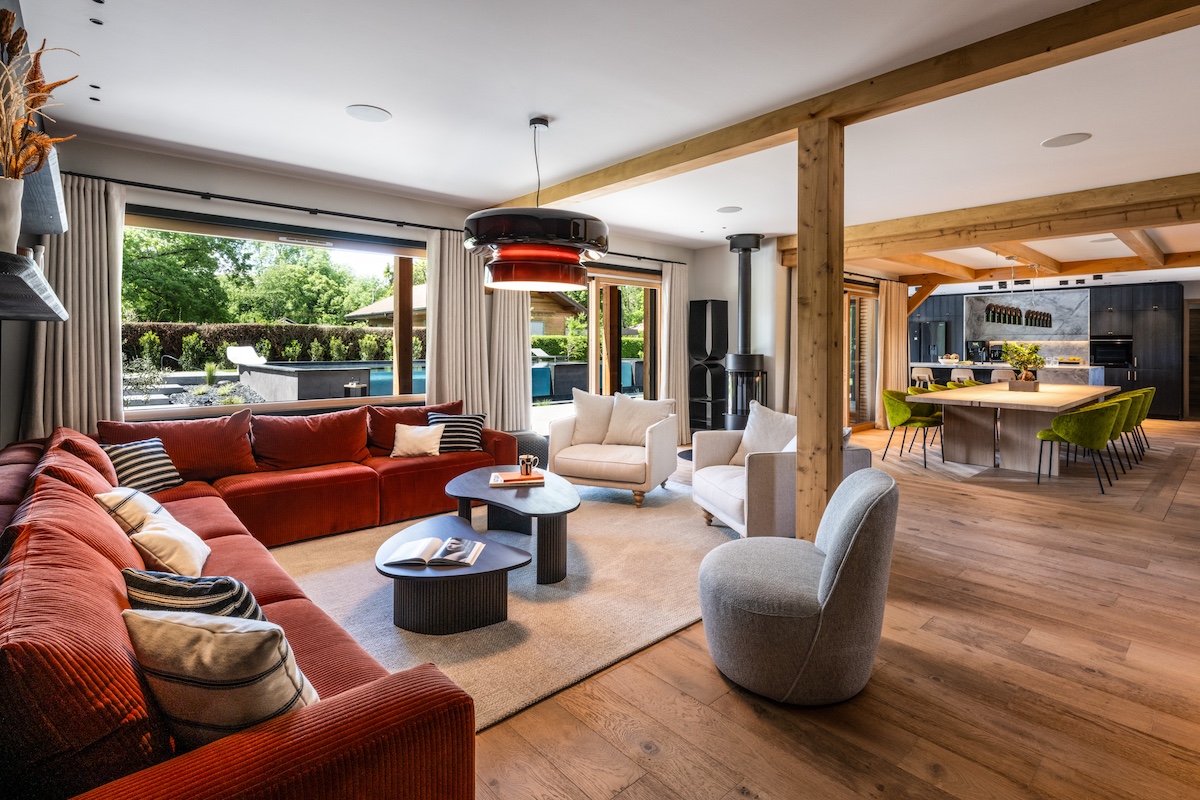
Architectural design is the driving force behind our business. It structures the project, provides the overall vision and lays the foundations for the experience to be had in the space. It’s an act that’s both intuitive and technical, sensitive and rigorous. Through sketches, plans, volumes and lighting, we give shape to the customer’s desires while integrating regulatory, functional and budgetary constraints.
There’s more to designing a space than coming up with a good idea. You have to know how to unfold a project, anticipate bottlenecks and clear away risks. Our know-how is nurtured by experience in the field and our ability to dialogue with design offices, contractors and all the technical players involved. This hybrid expertise – creative, technical and human – is the intelligence of reality, the key to masterful design. And because a well-thought-out project calls for a coherent living environment, our thinking naturally extends to the choice of furniture.
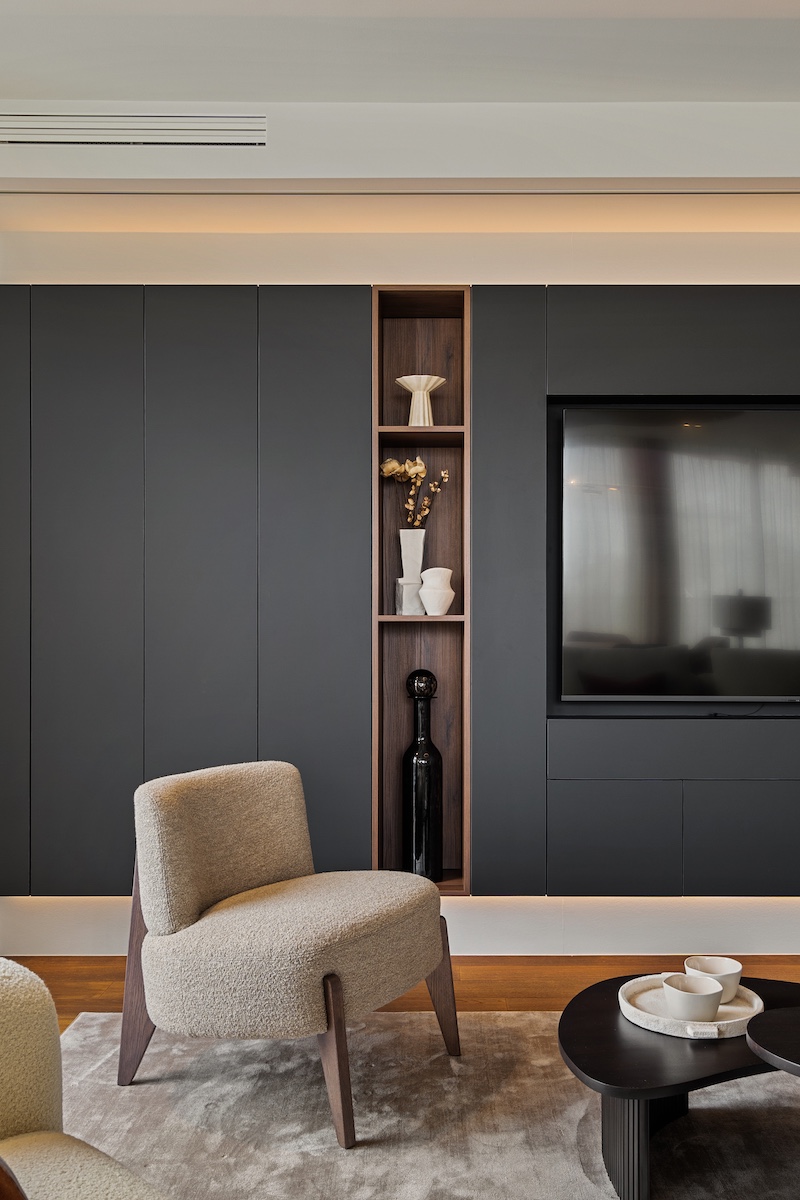
Furniture isn’t just about adding individual pieces: it’s an extension of the furnishings. It extends the layout, structures uses and gives rhythm to volumes. A true three-dimensional script, it accompanies gestures, guides circulation, and contributes as much to the aesthetics of a space as to its full habitability. It embodies the spirit of the place. Our mission: to imagine, select or design durable, appropriate pieces, in keeping with the identity of the place and the desired experience – in collaboration with designers and craftsmen, or from existing pieces.
This approach naturally extends to fixtures and fittings, a tailor-made extension of architectural design. It translates intentions into fixed elements – bookcases, storage units, headboards, kitchens… – and combines aesthetics, ergonomics and technicality to optimize space and assert an identity.
In the professional sector, this expertise also encompasses FF&E (Furniture, Fixtures & Equipment): furniture, fixtures and fittings. A key area, particularly in our hotel projects.
Furniture, fittings and FF&E give shape to the idea and deploy it in use. Together, they form the foundation on which the decoration is anchored, expresses itself and finds its full measure.
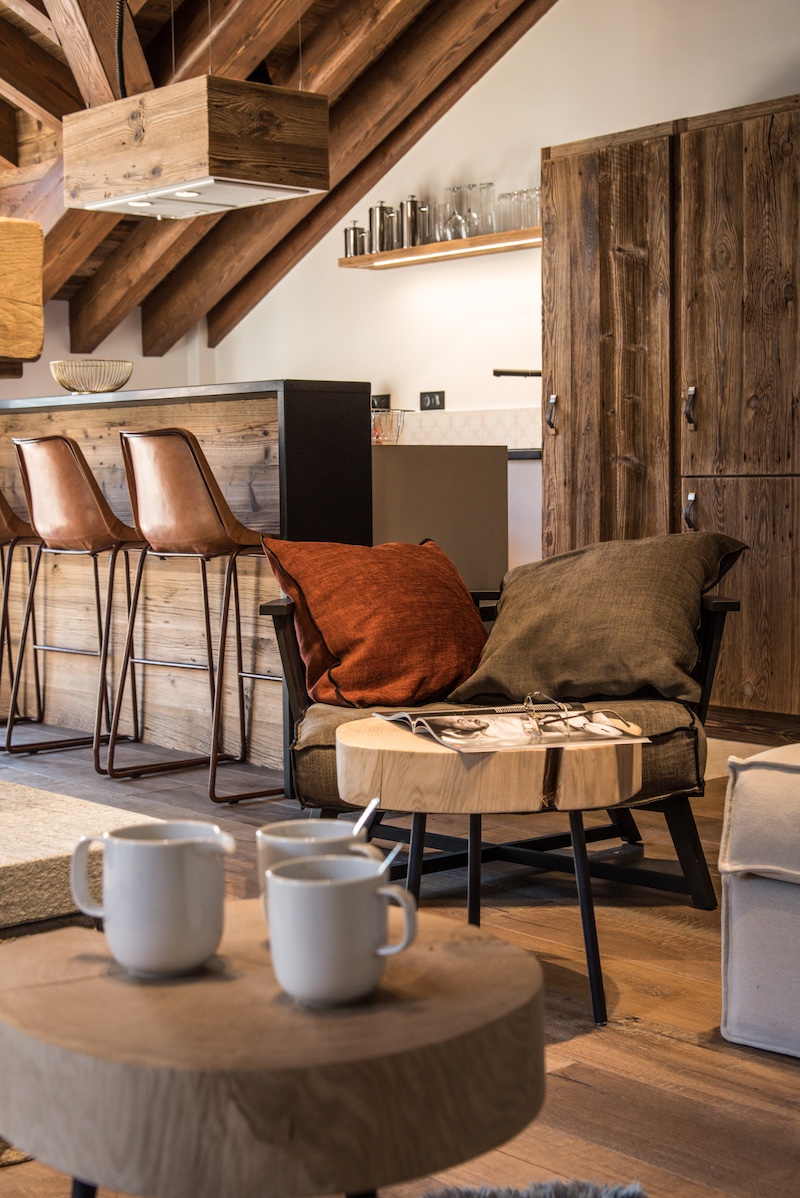
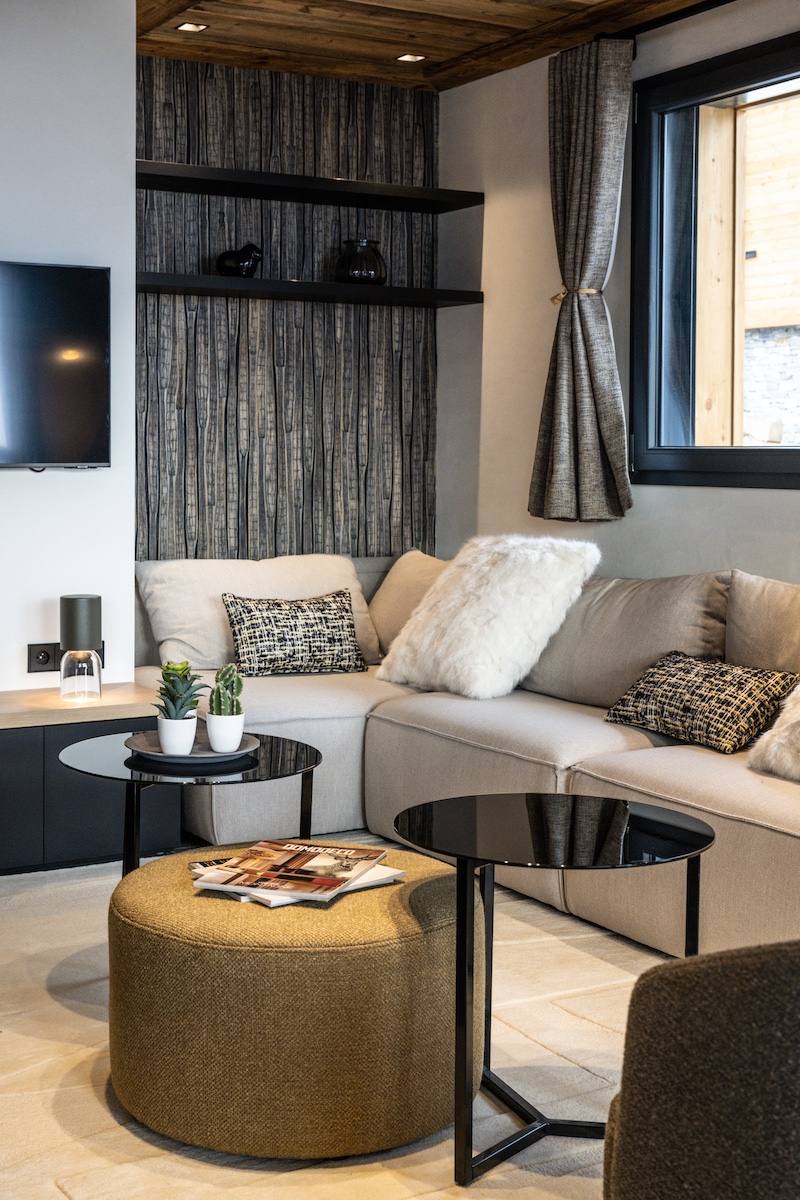
It’s what tells the story, gives nuance, anchors… Decoration gives a place its emotional density. Too often overused, it is for us a noble discipline. It’s what links a space to the imagination, to memory, to history. Textiles, objects, colors, materials, reissues or old finds: everything is thought out so that the place really speaks for itself.
We pay as much attention to decoration as we do to space. Every detail can trigger a mood, a memory or an attachment. We look for objects that are rare, appropriate and poetic. When decoration has meaning, it becomes the emotional anchor of the place. It is part of a continuum in which every choice, from the design to the furniture, contributes to creating a coherent, lively atmosphere. Textiles, objects, materials, colors: every detail contributes to the sensitive identity of the space.
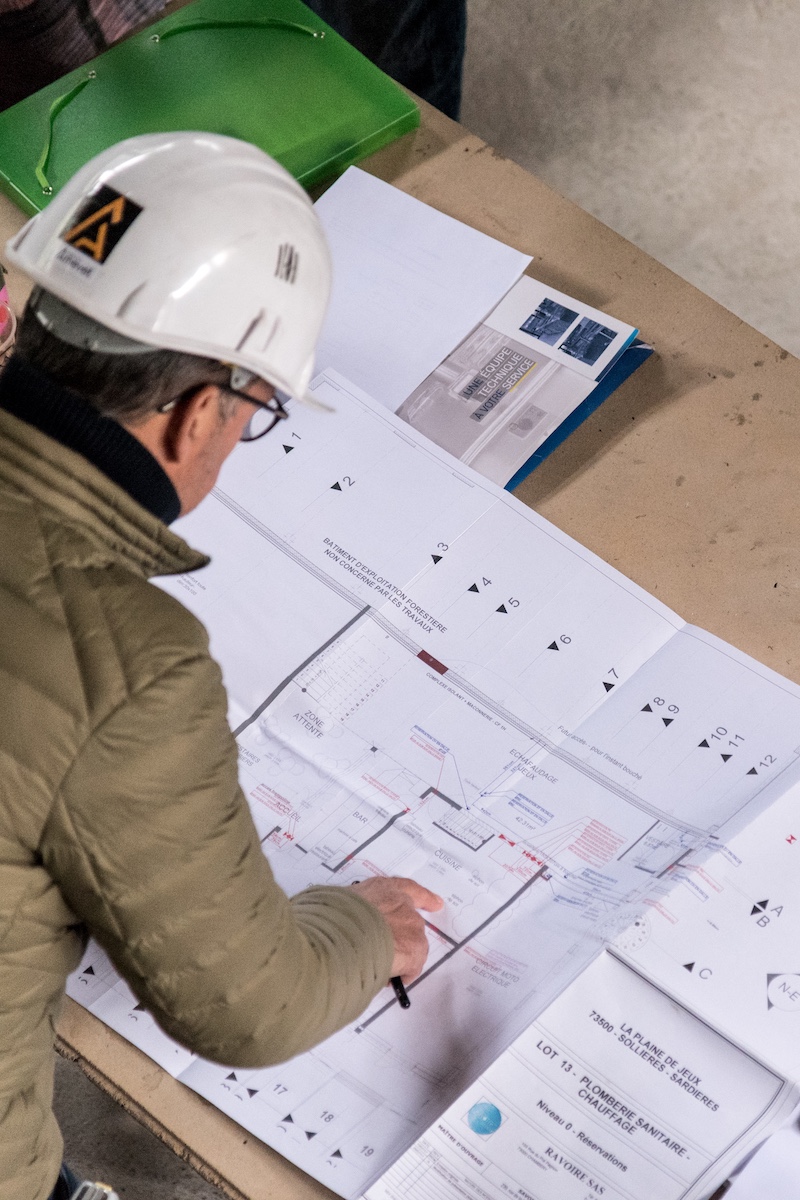
Project management is a balancing act that demands reliability, anticipation and commitment. It’s the job of the project manager to ensure continuity between design and implementation, between plans and construction site. Planning, coordinating, arbitrating, adapting: every gesture counts to bring the project to life without abandoning its ambition. It integrates, in action, everything that has been thought out: volumes, furniture, ambience, finishes. Nothing would be possible without it: it’s what guarantees that every idea takes shape, that every element finds its place, and that every part of the project – technical or sensitive – is carried through to completion, with coherence and fidelity.
For the customer, project management is a source of reassurance. For us, it’s a duty of responsibility. We are vigilant and methodical at every step of the way, anticipating and maintaining constant dialogue. Because it’s on site that the truth of the project is played out!