
10 Questions for Pierre François Amevet
What kind of trade show is Hostys Connect?
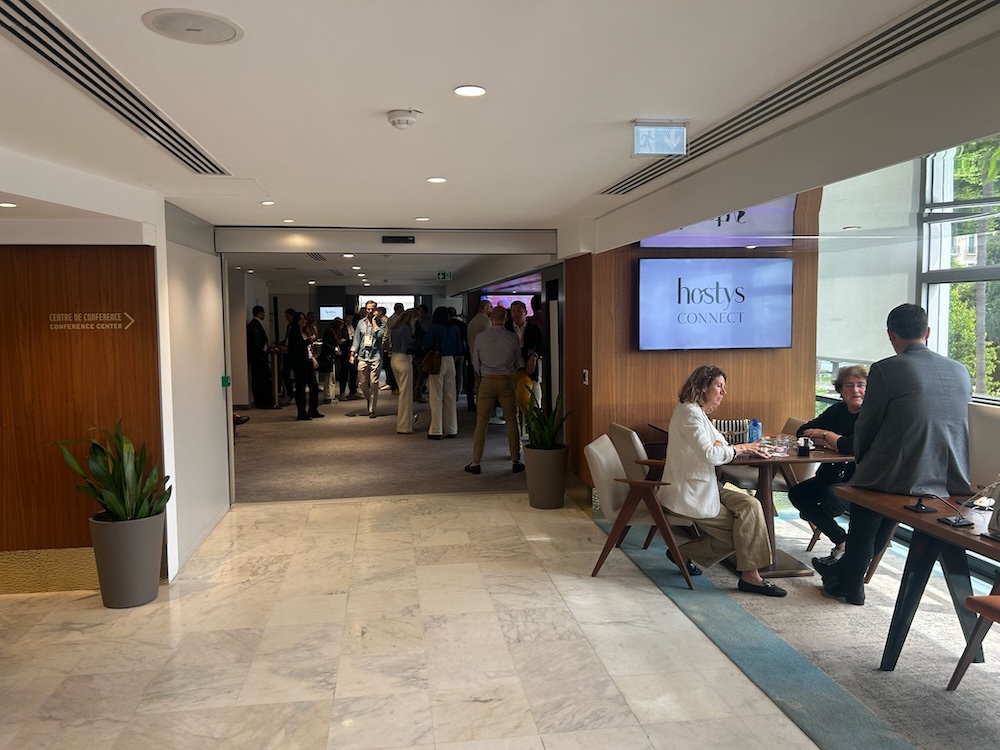
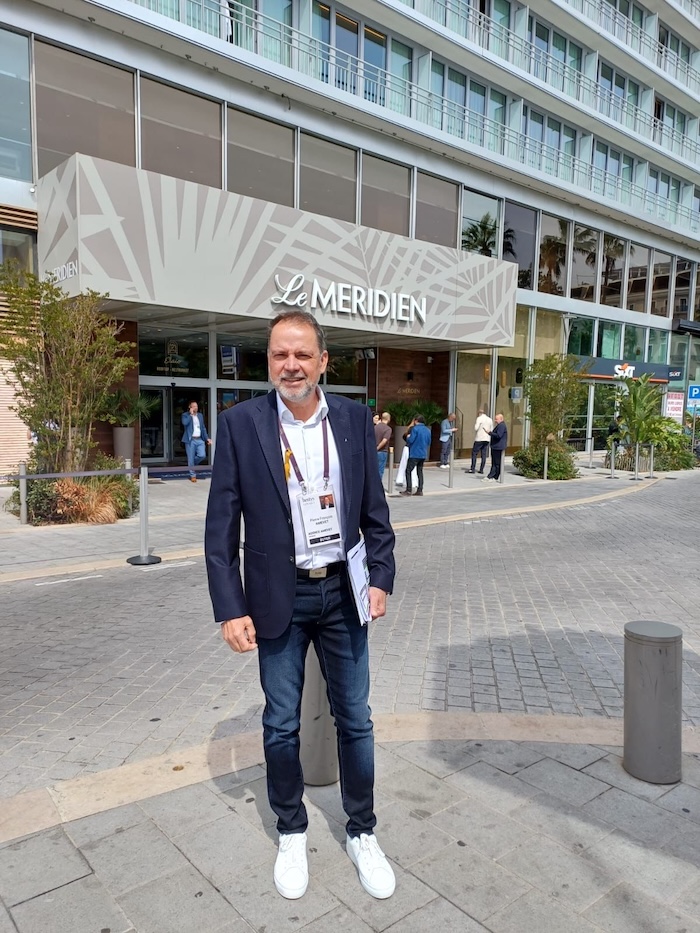
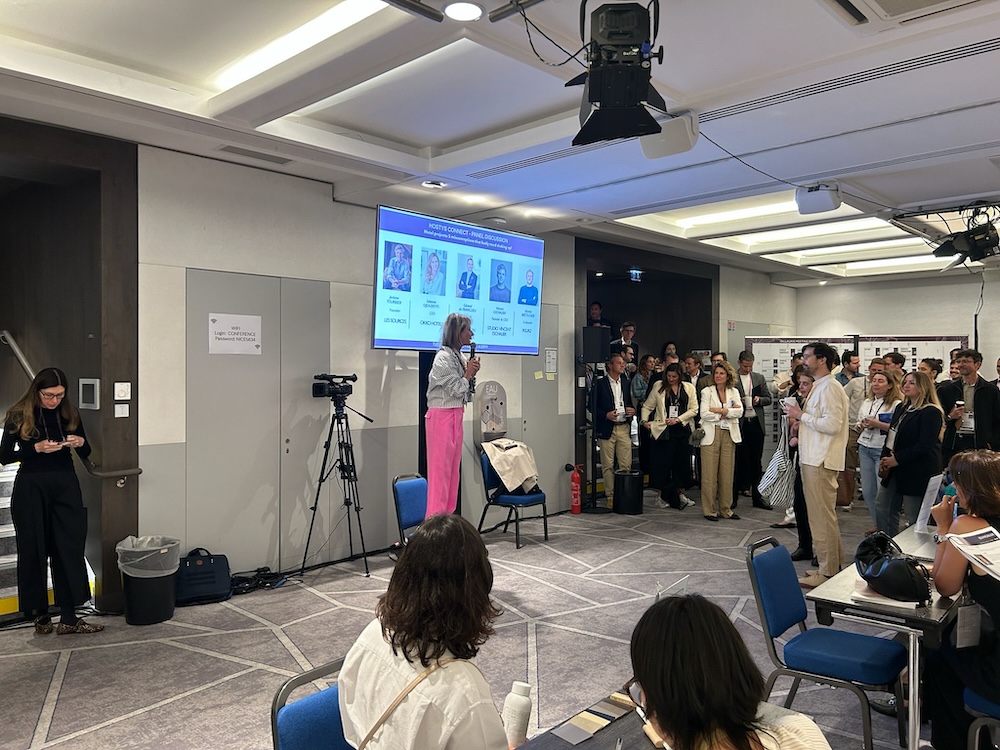
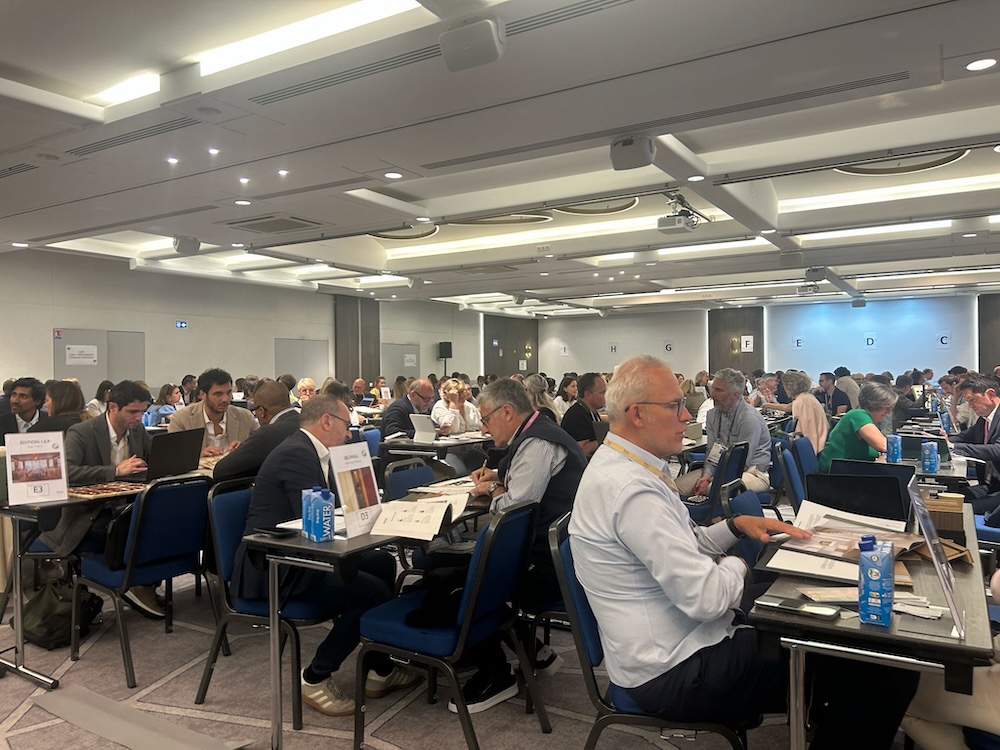
A highly concentrated gathering place. For three days in Nice, a large part of the hospitality ecosystem comes together: suppliers, designers, investors, and hotel groups. More than 200 people in total! This isn’t a trade show in the traditional sense. It’s a space where people come to work, network, and make progress. It’s fast-paced, very well organized, and highly B2B-focused.
What made a particular impression on you?
The intensity. The caliber of the people we speak with. The level of expertise among our contacts. We don’t just talk for the sake of it, and we don’t simply collect business cards. Our conversations are direct, concrete, and often already project-oriented. This makes it a valuable tool for developing and supporting project leaders.
How do the meetings work?
The days alternate between scheduled meetings and more informal moments. I met with about fifteen project leaders over the course of three days, in a very efficient setting. The organization makes networking much easier.
How do hotel chains view the Agency’s work?
There is a very clear need for development, particularly in mountain regions. Hotel groups are looking to establish a presence or expand their operations in these areas, but they are not fully familiar with the challenges involved. As a result, they are very interested in our expertise in mountain regions.
Has Agence Amevet’s legitimacy in the mountains been clearly recognized?
There is a desire and a willingness to invest in ski resorts, but it remains a complex field. It’s a demanding environment. You learn to deal with significant constraints: the climate, deadlines, access, and seasonality. Industry professionals—whether large chains or small groups—quickly recognize those who know what they’re doing!
Did you feel you had a legitimate case against specialized agencies?
Yes, without a doubt. We may not have the same volume of hotel projects as some others, but we have the methodology, the track record, and a way of structuring projects that speaks for itself.
How does Agence Amevet compare to its competitors?
There are many young agencies that are very dynamic, proactive, energetic, and very articulate. We, on the other hand, perhaps bring more experience and expertise—both technical and “geographic.”
What is your practical approach to a hotel project?
We don’t operate on an individual basis. A project is a team effort. Our role is to bring together the right skills at the right time. It’s like being a conductor. That’s what gives large corporations peace of mind.
What are Agence Amevet’s areas for growth in the hospitality industry?
The hospitality industry has its own codes, vocabulary, and methods, particularly when it comes to FF&E (Furniture, Fixtures, and Equipment). We need to familiarize ourselves with them more thoroughly—not to change the way we do things, but so that we can speak exactly the same language.
What now?
The discussions were fruitful, and the need is clearly there. It’s up to us to build on this opportunity to further develop the “hospitality” sector at the agency. We can draw on the brands—both large chains and family-owned businesses—with which we’ve worked in the recent past. I’m thinking of Arteloge, which entrusted us with the interior design of the Lyon Métropole. In the ski resort, Anthony Paillet of the Côte Rôtie group placed his trust in us for the design and furnishings of the Higalik Hotel in Les Ménuires. Let’s also mention our experience in the field of tourist residences. We pioneered the new MMV concept, owned by the Compagnie des Alpes. We’ve worked on numerous Terrésens residences, some of which are owned by the CDA. All of this gives us credibility and legitimacy…